

Through Words and Images: Anna Remembers Dnipro

Born in Horlovska in the Donetsk region, Anna went to Dnipropetrovsk (Dnipro since 2016) for university when it first opened in 1987. The institution, back then known as Dnipropetrovsk State University in honor of the Russo-Ukrainian Union, now bears the name of the renowned Ukrainian writer, Oles Honchar. “I chose this college partly because of the football team ‘Dnipro’ and that good-looking football player Oleh Protasov,” she said while laughing. “One day I volunteered to report a game, and when it was broadcast on TV, you would see that I had been staring at him all the time.” She also told me that an earthquake occurred during her first few days in college, resulting in a joyful holiday.
Despite this seemingly playful motivation, Anna had a reputation for being erudite. (She still is, as she knows about everything I have ever brought up, and teaches me even more.) “If you are looking for Annechka, she is [the] one who knows everything. ‘Lenin wearing a skirt’” — Thus her fellow students described her back in the 80s.
As always, the best way to learn about a city is to listen to its residents' life stories. This interview was conducted on Saturday, September 7, one day before the annual city celebration. Anna’s story will be told in a first-person narrative in the following paragraphs of this article. Anna took most of the photos; her friends took some as well.
To protect her privacy, the author has changed her name and edited photos in which she and her family are identifiable.

Dnipro is the city of my youth, my career, and my home. It is a city of young people, a city of children. I went there when I was seventeen, settled down all by myself, and learned to live independently. Not only did I finish college in this city, but I also taught my first class there and found my special gift to get along with students. I have been working as a teacher ever since.


I used to live in the city center, but don’t get me wrong, my apartment was rather modest. As a matter of fact, Dnipro itself is a mixture of old and new: the former on the right part, and the latter on the left, divided by the river but connected by multiple bridges. I lived in the old center but also enjoyed walking around the new Dnipro. You will see a statue of a huge pump made of pot covers, or a building in the shape of a sail. People in Dnipro also like to paint on the buildings—their topics used to be peaceful, children, angels, etc., but now many of them depict war-related themes, by local and foreign artists alike. It is always nice to feel that the future is ahead, or better still, that you are already living in the future.
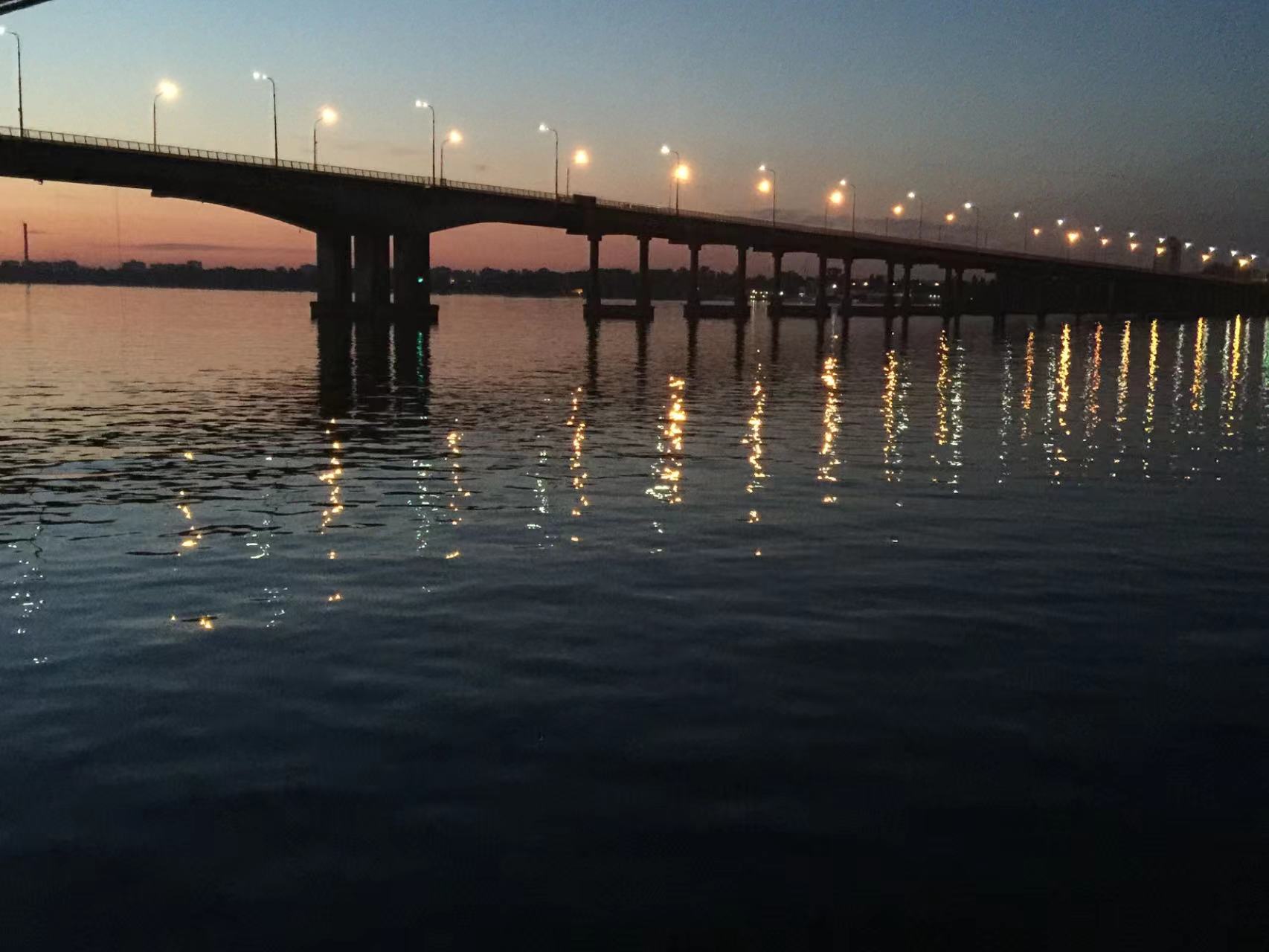
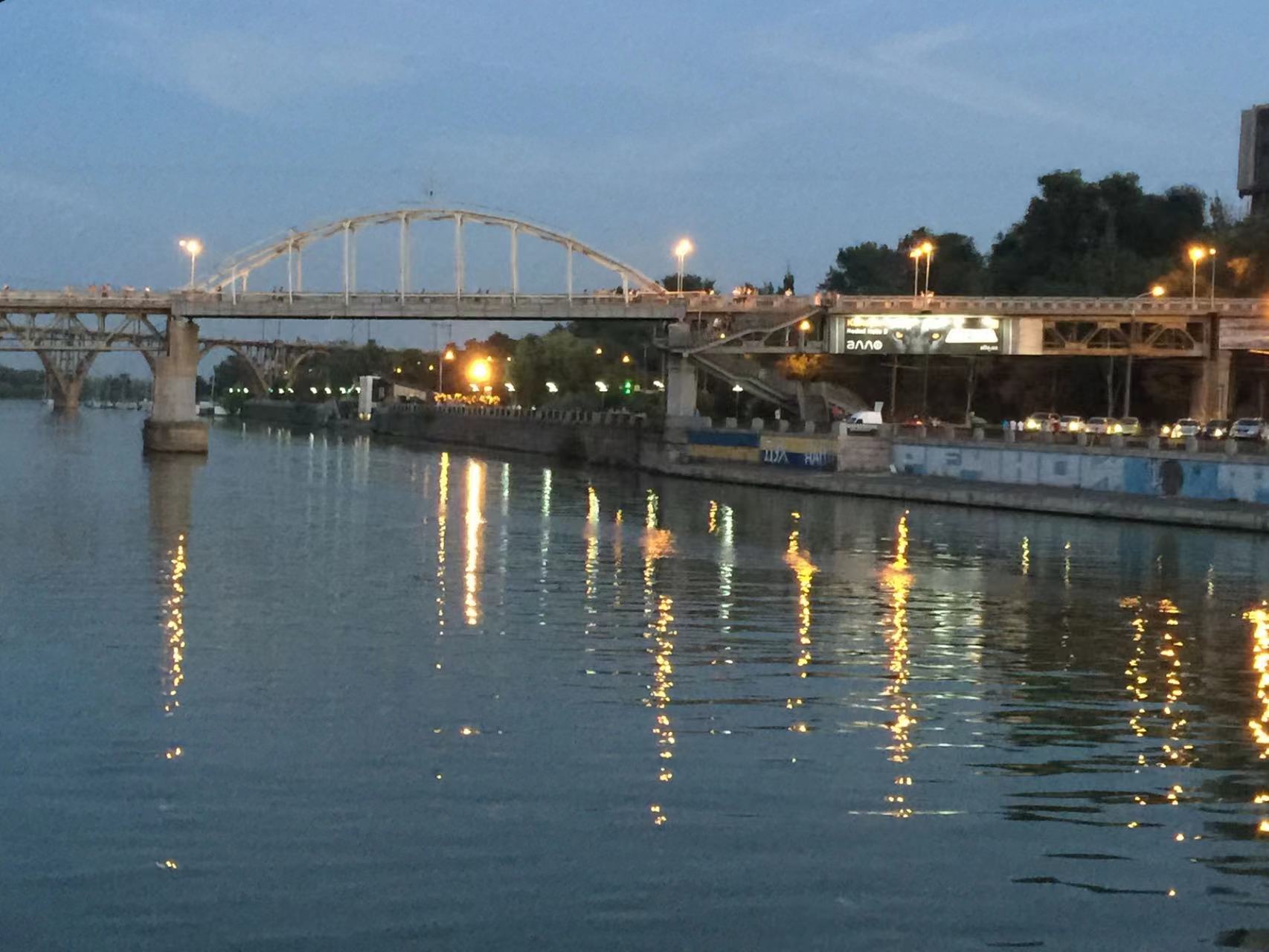
In the river Dnipro, you can swim (or fish) every day. Fun fact: Pushkin once stayed in the city, swam in the river, and caught a very bad cold. It is only a ten-minute walk from my place to his— it means something to me personally, for I always enjoy reading poetry, and I tend to treat a writer’s work and their personality separately. But I understand and resonate completely with how my fellow Ukrainians now have mixed, or even negative feelings toward him, now that the imperialist message in his writings is clear, covertly or overtly, and the poet himself has been established as a symbol for the submission of our voices.


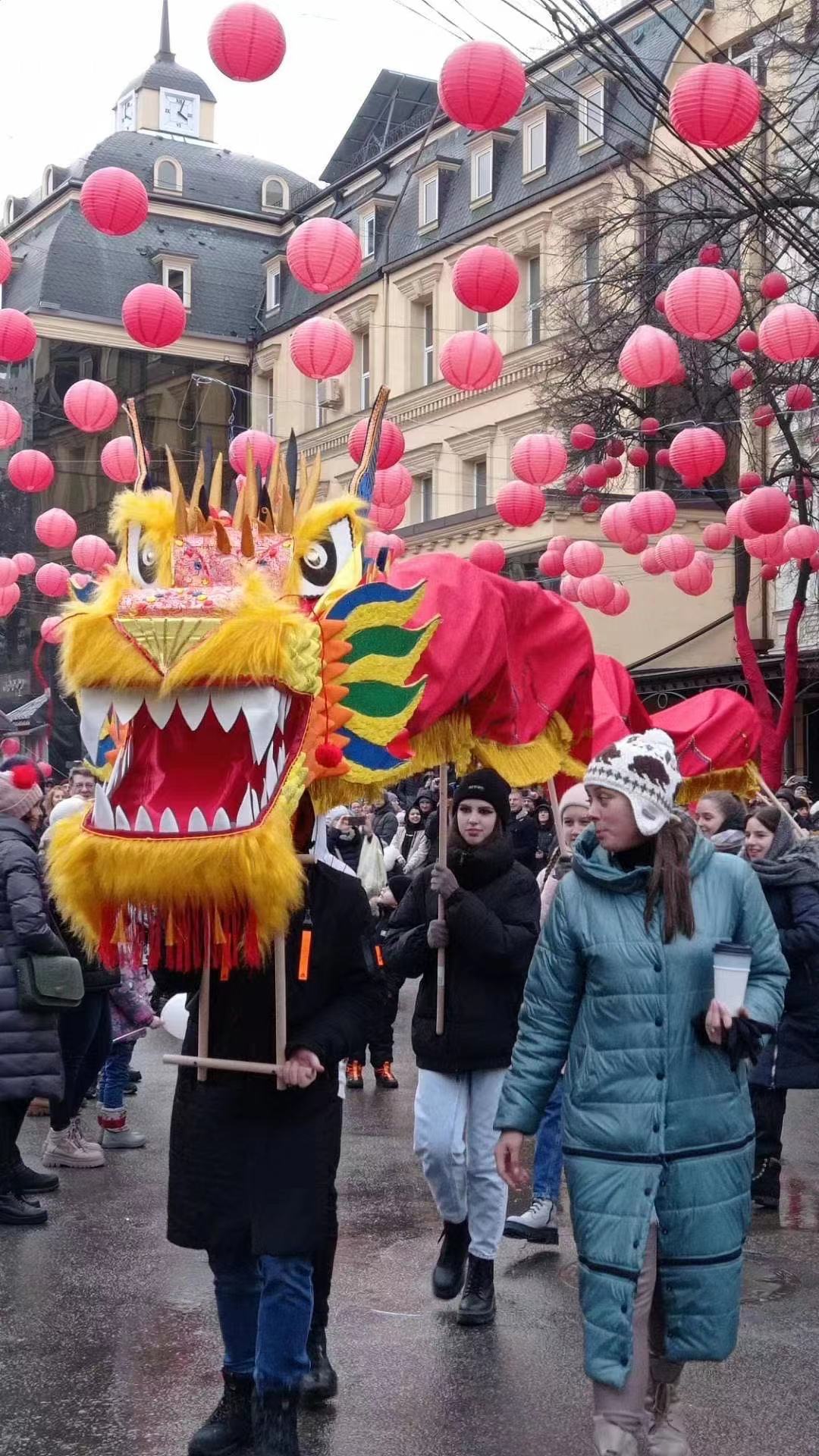
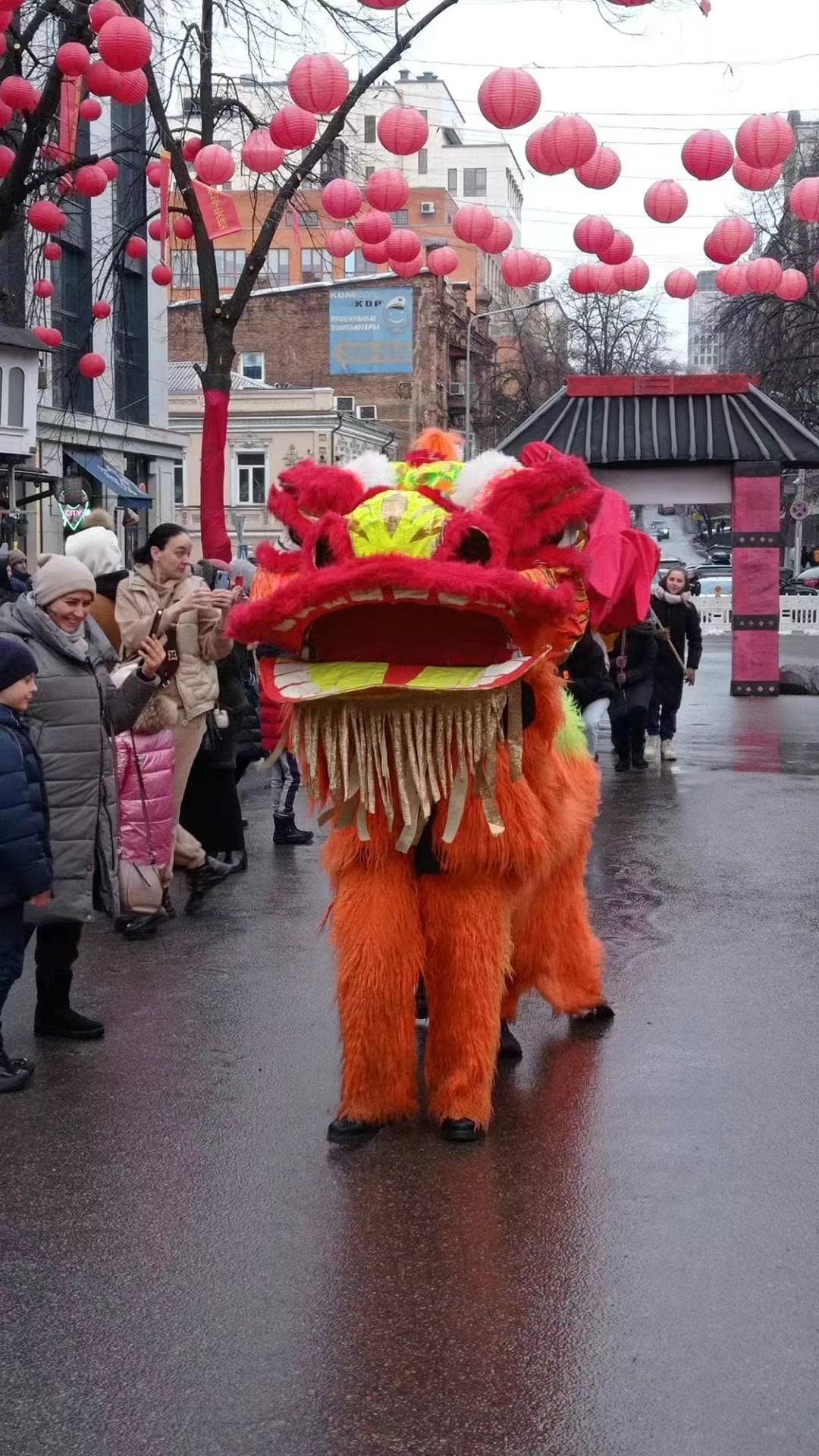
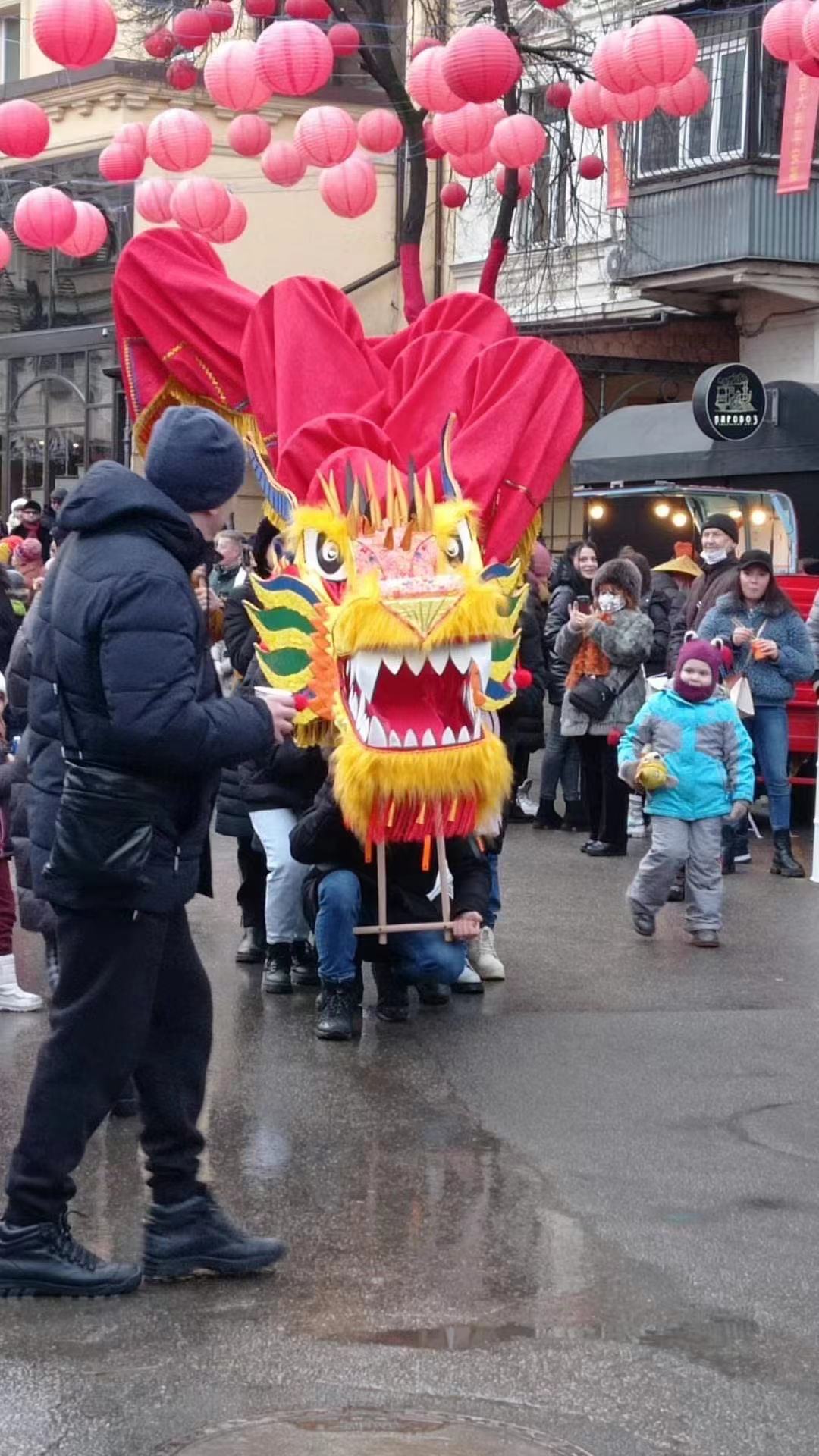
Dnipro is not a homogeneous city for any single group, but rather an ensemble of different cultures. You can walk around the same block, even the same street, and see buildings of different styles all at once. For example, you would hardly miss the Menorah Center on Sholom-Aleikhema Street, and if you were in the city in 2019, you would definitely see how people were interested in our celebration of the Spring Festival. On our passports, there is no entry for your nationality, only your citizenship, as a Ukrainian.
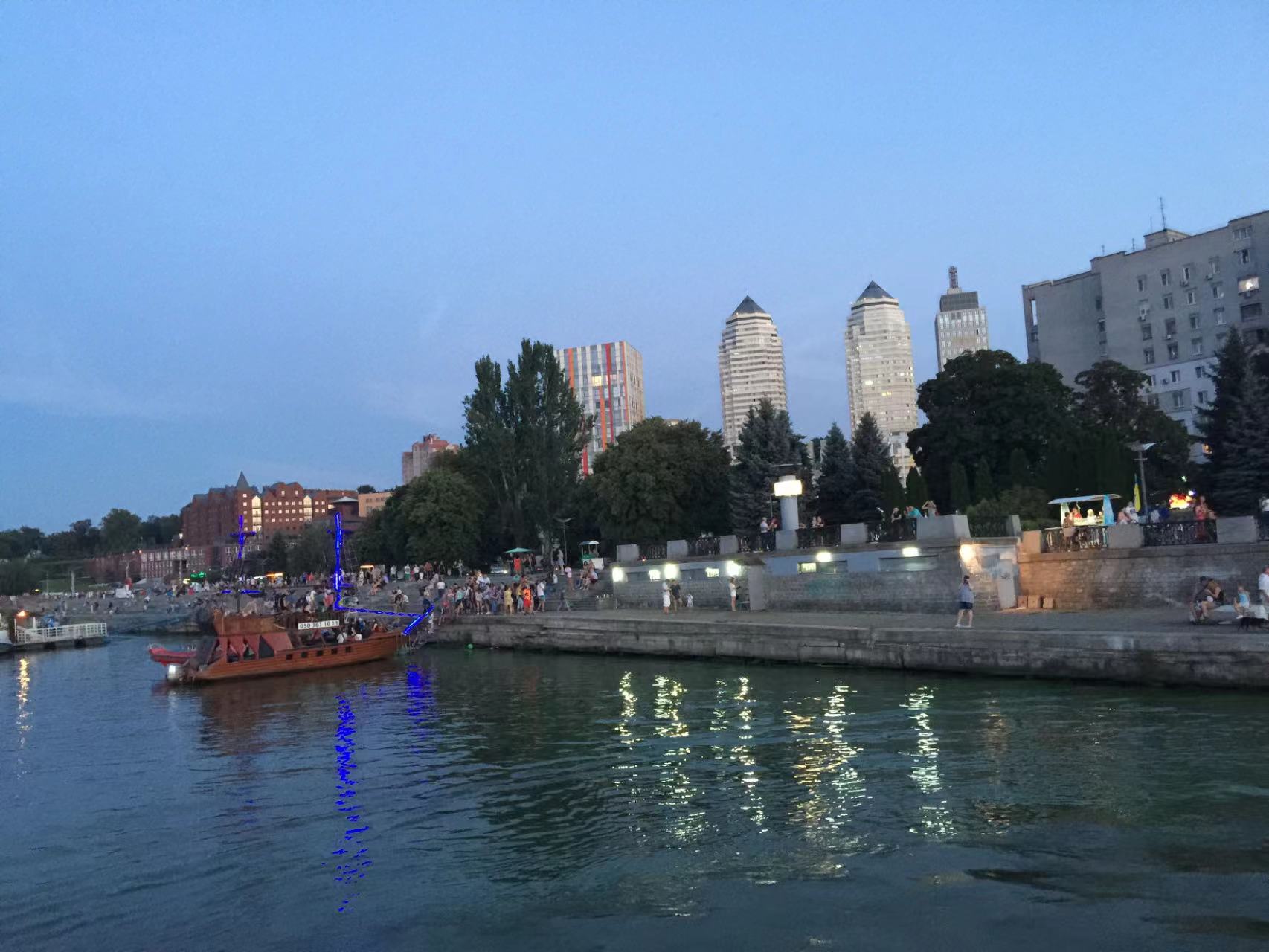
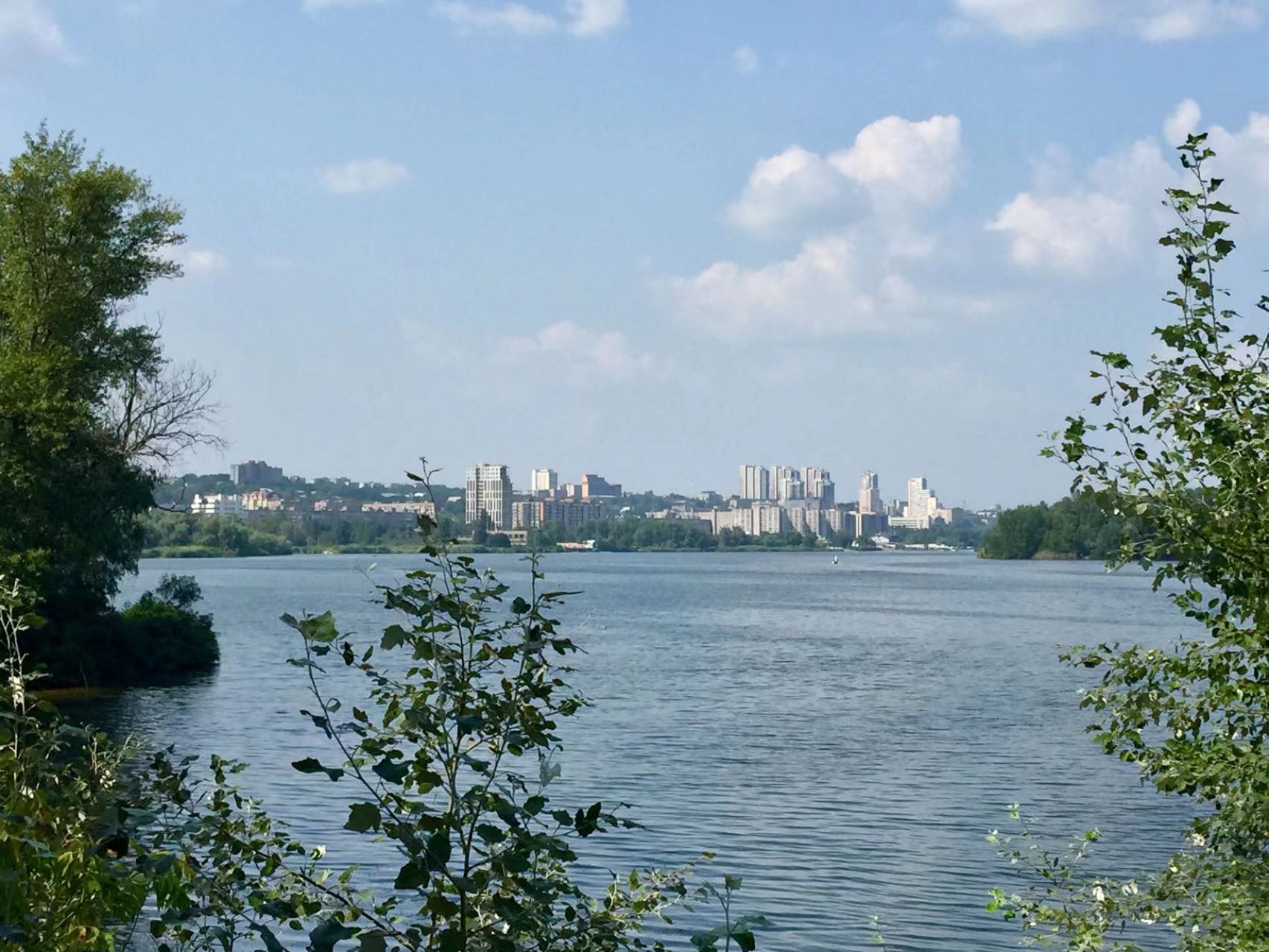
I haven’t come back home for five years— it was hard during the pandemic, and even harder now under the war conditions. I cannot take the risk of bringing my family back because my son is only a teenager and he has to attend school. I cannot come back on my own either. “What am I supposed to do if anything happened to you, Mom?” My son once asked. But I miss my city, I miss it very much. I miss the picturesque landscape, half steep and half forest, of Dnipro’s suburb. I miss the theatre in the Lazaria Hloby park— if anyone told you that Ukraine has no theatrical tradition, prove them wrong, because these theatres have been performing Ukrainian plays in Ukrainian, bilingual at least, from the very start. And I miss the Saint Nicholas Church on the Church Square— not only the church itself, but also the church school where I taught my first class. I also miss the nice wintertime before climate change took it away.


I didn’t believe there could be a war, not until the very last minute, because I thought we had already learned from the last century about how terrible wars were, and I thought we all knew it very well. I hope I can tell you that now I can finally sleep well, but that is not true, because horrible things are still happening every single day. Even some bus stations are destroyed, which I will never understand. What is in their interest to destroy a bus station where there were only buses? My family stays in Ukraine, now in Kharkiv, because my mother needs medical treatments there. But anything could happen at any moment, and I am worried all the time. Luckily (this word is ironic enough in this context) my brother is looking after our mother, and not only her, but also many other people (he is a therapist). I will never forget the video call from him on the second day after the outbreak of the war in Kharkiv—I heard two rockets in ten minutes. For another forty minutes, he didn’t say anything, nor did I see anything on the screen, and I almost lost my mind. I thought I lost him, until he called back afterward, and told me it was due to the internet delay. It was such a huge relief, but only momentarily. I am in close touch with other friends in Ukraine, but sometimes I dare not write to them after hearing something terrible happening in their cities. A friend of mine works in an orphanage.


On the one hand, I hate to listen to the news, because it feels as though we are not justified if people do not die. But I still have to; otherwise, it just feels wrong. What do we still live on? We live on the things we used to live on, even though something like this is taken away. It is a rarer case to find sympathy among other people—even a relative of mine, now living outside the country, once asked: “But how do you know that people are not dying from your own defense? Why don’t you just surrender to save their lives?” I don’t know how to talk to them anymore, if they believe their TV instead of their own sister. Also, who else can I trust if my own relatives are indifferent to what is happening right now? You see, I didn’t stop teaching the Russian language because I believe there is something inherently wrong about the language per se, but because of what it's associated with right now.
One day, my son told me that he had three wishes. He told me that he wants to visit Britain and Japan in the future, and after a long pause, he said he wants to walk along the street in Kyiv again. For an international family like mine, it is especially hard for him now to identify with who he is. I don’t tell him much news — if it is already this painful for an adult, for what earthly reason should I tell my son — and I don’t blame him for avoiding depressing information as such sometimes. But deep down I believe there is a Ukrainian in him, for so many Ukrainian words I thought I forgot after years in diaspora, I recall them immediately. We will definitely have a nice walk along Dnipro someday.